Decoding Pet Food: Beyond the Bowl to Optimal Health and Sustainability
For many, pets are cherished family members, and their well-being is a top priority. Central to a pet's health is their diet, making pet food far more than just "animal feed." It's a scientifically formulated product designed to provide complete and balanced nutrition for companion animals. From the specific nutritional needs of different species to the intricate web of regulations ensuring safety and the growing market trends, understanding what goes into your pet's bowl is essential. This article delves into the critical aspects of pet nutrition, the regulatory landscape, and how to make informed choices for your beloved companion.
The Evolving Landscape of Pet Nutrition: From Scraps to Science
The journey of commercial pet food began modestly in 1860 with James Spratt's dog biscuits, a pioneering alternative to table scraps. Fast forward to today, and the industry has transformed into a sophisticated market, projected to reach approximately $127 billion by 2024. This monumental growth is fueled by trends like "pet humanization," where owners seek premium, high-quality options mirroring their own dietary considerations. To understand this dynamic market in more detail, explore The Pet Food Industry Boom: A $127 Billion Market Analysis.
Modern pet food aims to deliver complete and balanced nutrition, formulated for species-specific requirements. While dogs are omnivores, capable of digesting both plant and animal matter, cats are obligate carnivores, meaning their diet must consist primarily of meat. However, research shows that even obligate carnivores like cats can effectively digest plant proteins when properly processed and included in a balanced formula. These formulations meticulously balance macronutrients (proteins, fats, carbohydrates), essential vitamins, and vital minerals. For instance, cats require essential amino acids like taurine to prevent serious health issues, and a correct calcium-phosphorus ratio is crucial for skeletal health in all animals.
The innovation doesn't stop there. With increasing awareness of environmental impacts, research into alternative protein sources like insects and algae is gaining traction. These novel ingredients offer potential sustainable solutions without compromising nutritional integrity, reflecting a broader shift towards more eco-conscious choices in the industry.
Understanding Different Pet Food Formulations:
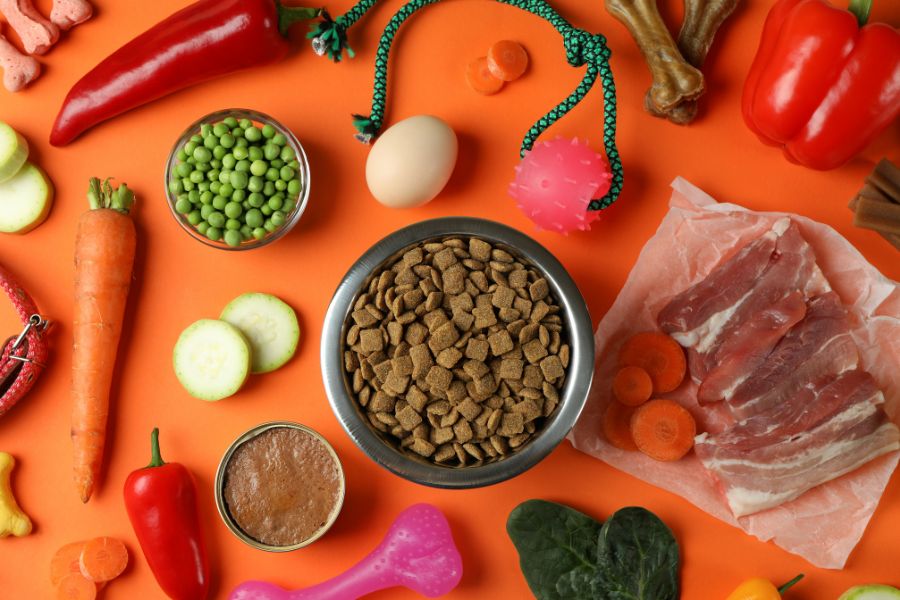
- Dry Kibble: Convenient, cost-effective, and easy to store, dry kibble is a staple for many pet owners. Innovations in extrusion after the 1950s made mass production possible.
- Wet/Canned Food: Often highly palatable, wet food provides higher moisture content, which can be beneficial for hydration. However, it typically has a larger environmental footprint than dry food due to its processing and packaging.
- Semi-Moist Varieties: A less common option, often seen in treats, offering a middle ground in texture.
- Raw or Fresh Diets: Gaining popularity, these diets aim to mimic ancestral feeding patterns but require careful formulation to ensure nutritional completeness and safety, often needing veterinary guidance to avoid deficiencies.
Navigating the Regulatory Maze: Ensuring Safety and Quality in Pet Food
Given the critical role pet food plays in animal health, stringent regulations are paramount. In the United States, the Food and Drug Administration (FDA) is responsible for ensuring the safety, proper labeling, and prevention of adulteration in pet food. Beyond this, the Association of American Feed Control Officials (AAFCO) plays a pivotal role. AAFCO provides guidelines and model regulations that most state feed control officials adopt, establishing nutritional adequacy standards based on empirical feeding trials and nutrient profiling.
An AAFCO statement on a pet food label, such as "Formulated to meet the nutritional levels established by the AAFCO Dog Food Nutrient Profiles for [life stage]" or "Animal feeding tests using AAFCO procedures substantiate that [product name] provides complete and balanced nutrition for [life stage]," provides assurance that the product is nutritionally complete. It’s crucial to look for this statement, as it signifies that the food has been formulated or tested to provide all necessary nutrients for a specific life stage (e.g., growth, maintenance, all life stages).
One common point of confusion for consumers revolves around ingredients often labeled as "byproducts." Most meat used in pet food is, in fact, a byproduct of the human food industry. These can include organ meats and other parts not typically consumed by humans but are highly nutritious and biologically appropriate for pets. While not regarded as "human grade," these ingredients are perfectly safe and valuable for animals, often being richer in certain vitamins and minerals than muscle meat. The key is quality and processing, not simply the term "byproduct."
However, the industry isn't without its challenges. The FDA has been investigating reports of dilated cardiomyopathy (DCM) in dogs since 2018, initially linked to certain "grain-free" or "boutique" diets. This ongoing investigation highlights the importance of rigorous scientific research and vigilance in ensuring the long-term health and safety of pet food formulations.
Choosing the Right Pet Food: What Your Companion Truly Needs
Selecting the right pet food can feel overwhelming with the myriad options available. The best choice is always one tailored to your pet's individual needs. Here are key factors to consider:
- Species and Breed: A cat's nutritional requirements differ vastly from a dog's, and even within dogs, a Great Dane puppy has different needs than a Chihuahua senior.
- Life Stage: Puppies and kittens require more calories and specific nutrients for growth. Adult pets need maintenance formulas, and senior pets may benefit from diets supporting joint health or weight management.
- Activity Level: Highly active working dogs need more energy-dense food than a sedentary indoor cat.
- Health Conditions: Pets with allergies, diabetes, kidney disease, or sensitive stomachs may require prescription diets or specialized formulations recommended by a veterinarian.
- Ingredient Quality: While premium ingredients don't always equate to better nutrition without proper formulation, understanding ingredient lists and avoiding excessive fillers or artificial additives is a good practice.
Practical Tip: Always consult your veterinarian before making significant changes to your pet's diet. They can offer personalized recommendations based on your pet's health, lifestyle, and any specific dietary requirements. While homemade diets can seem appealing due to the control they offer, they are incredibly difficult to balance nutritionally and often lead to deficiencies or excesses without expert formulation.
The Broader Impact: Pet Food and Our Planet
The booming pet food industry, while providing essential nutrition, also carries a significant environmental footprint. With an estimated 470 million pet dogs and 370 million pet cats globally as of 2018, their carnivorous diets, particularly those of dogs and cats, involve the consumption of roughly one-fifth of the world's meat and fish. This substantial demand contributes to various environmental concerns.
The production of pet food is responsible for an estimated 20-30% of the environmental impacts associated with animal agriculture. This includes contributions to climate change through greenhouse gas emissions, significant land-use requirements for livestock farming, and other ecological pressures. Globally, greenhouse gas emissions from dry dog and cat food alone are estimated to represent 1.1% to 2.9% of total global emissions—a staggering amount comparable to the total emissions of entire countries like Mozambique or the Philippines.
Understanding these impacts is crucial for making more sustainable choices. As previously noted, life-cycle analyses suggest that wet foods for cats and dogs tend to have a larger environmental impact than dry foods, primarily due to factors like packaging, transportation, and ingredient sourcing. For a deeper dive into these critical issues, read Pet Food's Hidden Impact: Emissions, Land Use, and Sustainability.
The rise of online sales, which saw a compound annual growth rate of over 25% worldwide between 2013 and 2018, also reshapes the industry, influencing logistics and consumer access to a wider range of products, including those with sustainability claims.
Conclusion
The world of pet food is complex, blending nutritional science, stringent regulations, booming market dynamics, and growing environmental considerations. Making informed decisions means understanding your pet's unique needs, deciphering labels, appreciating the regulatory oversight, and considering the broader ecological footprint of your choices. By partnering with your veterinarian and staying educated, you can provide a diet that not only nourishes your companion but also aligns with responsible consumption, ensuring a healthier future for both your pet and the planet.