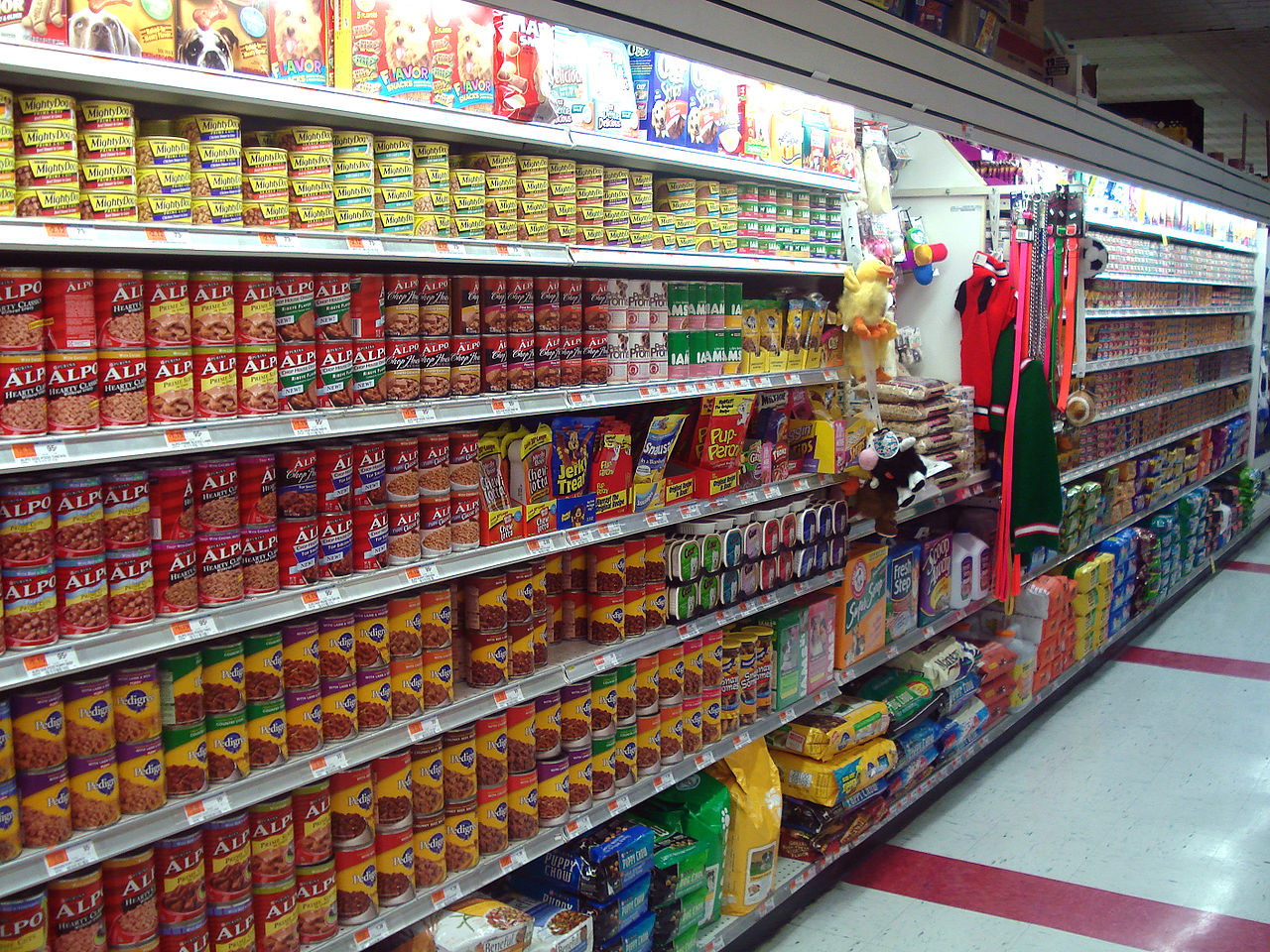
Pet Food's Hidden Impact: Emissions, Land Use, and the Quest for Sustainability
Our beloved companion animals bring immeasurable joy, comfort, and unconditional love into our lives. From playful puppies to purring feline friends, pets have become integral members of our families, leading to a booming industry dedicated to their well-being. At the heart of this industry is pet food – the sustenance that fuels their daily adventures. Yet, beneath the veneer of vibrant packaging and carefully crafted marketing, lies a significant and often overlooked environmental footprint. As pet parents, it's time to delve deeper into the hidden impacts of what we put in our pets' bowls, from greenhouse gas emissions to land use and the broader implications for global sustainability.
The Astonishing Scale of the Pet Food Industry
The global pet food industry is a colossal enterprise, reflecting the increasing humanization of pets and a willingness to invest in their health and happiness. Valued at US$87.09 billion in 2019, the market surged to an impressive US$127 billion by 2024. This rapid growth is driven by several factors, including the increasing pet ownership worldwide and a trend towards "premiumization," where pet parents opt for higher-quality, specialized, and often more expensive diets. Major players like Mars, Inc., Nestle Purina Petcare, J. M. Smucker, Hill's Pet Nutrition, Inc., and Blue Buffalo Co. Ltd. dominate this landscape, with Mars alone generating approximately $17 billion annually from pet-care products.
Online sales have further fueled this expansion, demonstrating a compound annual growth rate of over 25% between 2013 and 2018. In the United States, pet-food sales reached an all-time high of $28.23 billion in 2016, and the U.S. continues to lead the world in pet-food spending. With an estimated 470 million pet dogs and 370 million pet cats globally as of 2018, the sheer volume of pet food consumed daily represents a massive agricultural and industrial undertaking, which inherently carries environmental consequences.
Unveiling the Paw Print: Environmental Impacts of Pet Food
The most significant environmental challenge associated with pet food production stems from its heavy reliance on animal-based proteins. Given the carnivorous diets fed to many pets, particularly cats and dogs, it's estimated that pets consume roughly one-fifth of the world's meat and fish. This staggering statistic places pet food production as a significant contributor to the environmental impacts of global animal agriculture.
Research suggests that pet food production is responsible for 20-30% of the environmental impacts from animal production. This includes substantial contributions to greenhouse gas (GHG) emissions, land use for livestock farming, and water consumption. Specifically, global greenhouse gas emissions from dog and cat dry food alone are estimated to represent around 1.1% to 2.9% of total global emissions. To put this into perspective, this amount is comparable to the entire emissions output of countries like Mozambique or the Philippines.
- Meat and Fish Consumption: The demand for animal proteins drives deforestation for grazing land, contributes to water pollution from animal waste, and depletes fish stocks. While much of the meat used in pet food is a byproduct of the human food industry—meaning it's not "human grade" and might otherwise go to waste—the sheer volume still necessitates large-scale animal farming.
- Land Use: Producing ingredients for pet food, especially animal proteins, requires vast expanses of land for feed cultivation and animal husbandry. This competes with land needed for human food production, biodiversity, and carbon sequestration.
- GHG Emissions: Livestock farming is a major source of methane and nitrous oxide, potent greenhouse gases. The entire supply chain, from feed production to processing, packaging, and transportation of pet food, contributes to carbon emissions.
- Wet vs. Dry Food: A life-cycle analysis reveals that wet foods for cats and dogs tend to have a larger environmental impact than dry kibble. This is often due to higher water content (making them heavier to transport), more intensive processing, and the use of metal cans which have a higher energy footprint in production and recycling compared to plastic or paper packaging for dry food.
Sustainable Solutions for a Greener Pet Bowl
Addressing the environmental impact of pet food doesn't mean sacrificing our pets' nutritional needs. Instead, it prompts innovation and conscious choices. The industry is already exploring and implementing several sustainable solutions:
- Alternative Protein Sources: One of the most promising avenues is the development of novel protein sources.
- Insects: Crickets, black soldier fly larvae, and mealworms offer highly digestible protein with a significantly lower environmental footprint compared to traditional livestock. They require less land, water, and feed, and produce fewer greenhouse gases.
- Algae and Fungi: These microbial proteins can be sustainably grown in bioreactors, offering nutrient-rich alternatives with minimal land use.
- Plant-Based Proteins: While cats are obligate carnivores requiring specific nutrients found in meat (like taurine), they can digest plant proteins well, and research continues into formulating nutritionally complete vegan diets for dogs, who are omnivores.
- Optimizing Ingredient Sourcing: Focusing on responsible sourcing, utilizing sustainable fisheries, and prioritizing ethically raised animal byproducts can mitigate some impacts. Using byproducts efficiently is a key strength of the pet food industry, as it converts parts of animals not desired for human consumption into nutritious meals for pets, thus reducing waste.
- Formulation Innovation: Developing highly digestible formulas that reduce waste and ensure pets absorb maximum nutrients, or creating diets tailored to individual pet needs to prevent overfeeding, are crucial.
- Packaging Improvements: Shifting towards recyclable, compostable, or reduced packaging can significantly lessen the environmental burden associated with product distribution.
Making Informed Choices: What Pet Parents Can Do
As responsible pet owners, we have the power to influence the market through our purchasing decisions. Here are practical steps you can take to make a difference:
- Read Labels Carefully: Understand the ingredients. Look for transparency from brands regarding their sourcing and sustainability practices. Be aware of the nutritional guidelines set by bodies like AAFCO in the U.S. For more on what your pet needs, read Decoding Pet Food: Nutrition, Regulations, and What Your Pet Needs.
- Consider Dry Over Wet Food: Where appropriate for your pet's health, opting for dry kibble generally has a lower environmental impact than canned wet food due to lower transportation weight and less resource-intensive packaging.
- Explore Sustainable Brands: Actively seek out brands that are transparent about their sustainability efforts, utilize alternative proteins, or prioritize responsibly sourced ingredients. Supporting these pioneers drives further innovation.
- Portion Control and Waste Reduction: Overfeeding not only harms your pet's health but also contributes to unnecessary resource consumption. Follow feeding guidelines, measure portions, and store food properly to prevent spoilage. Consider composting suitable food scraps where possible.
- Minimize Food Miles: Support local pet food producers if available, to reduce the carbon footprint associated with transportation.
- Consider Homemade Diets (with caution): If you choose to prepare homemade meals, consult with a veterinary nutritionist to ensure complete and balanced nutrition. Unbalanced homemade diets can lead to severe deficiencies.
The journey towards a sustainable pet food industry is a shared responsibility. From industry giants innovating new protein sources and packaging solutions to pet parents making conscious choices at the supermarket, every step counts. By understanding the hidden impacts and actively seeking more sustainable options, we can ensure our furry companions continue to thrive while also safeguarding the planet we all share. Our pets depend on us for their well-being, and increasingly, the planet does too.